
A Simple Introduction to Sativa Cannabis Varieties
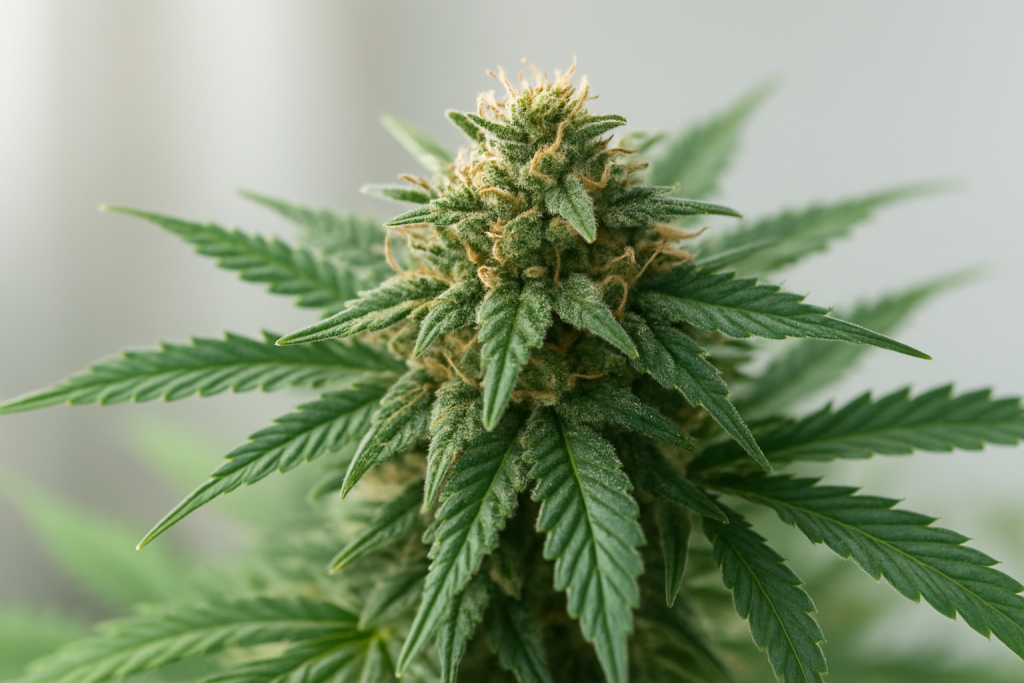
Understanding cannabis varieties becomes easier when consumers are familiar with the basic classifications used throughout the market. Sativa is one of the most recognized traditional cannabis categories and is often associated with distinctive plant structures, aromatic profiles, and diverse genetics. While the classification has historical roots, modern breeding has expanded the range considerably, creating numerous cultivars and hybrids for consumers to explore across today's cannabis product landscape.
In This Article
- Jump To
- Jump To
- Jump To
- What Is Sativa Cannabis?
- Why Are There So Many Sativa Varieties?
- What Does Sativa Flower Look Like?
- How Does Aroma Differ Between Varieties?
- What Are Terpenes?
- Why Do Cannabinoids Matter?
- Are Modern Sativa Varieties Pure Sativa?
- What Product Formats Are Available?
- How Can Online Catalogs Support Beginners?
- Conclusion
- Key Takeaways
- Key Takeaways
- Key Takeaways
Jump To
- Jump To
- Jump To
- What Is Sativa Cannabis?
- Why Are There So Many Sativa Varieties?
- What Does Sativa Flower Look Like?
- How Does Aroma Differ Between Varieties?
- What Are Terpenes?
- Why Do Cannabinoids Matter?
- Are Modern Sativa Varieties Pure Sativa?
- What Product Formats Are Available?
- How Can Online Catalogs Support Beginners?
- Conclusion
- Key Takeaways
- Key Takeaways
Jump To
- Jump To
- What Is Sativa Cannabis?
- Why Are There So Many Sativa Varieties?
- What Does Sativa Flower Look Like?
- How Does Aroma Differ Between Varieties?
- What Are Terpenes?
- Why Do Cannabinoids Matter?
- Are Modern Sativa Varieties Pure Sativa?
- What Product Formats Are Available?
- How Can Online Catalogs Support Beginners?
- Conclusion
- Key Takeaways
Jump To
- What Is Sativa Cannabis?
- Why Are There So Many Sativa Varieties?
- What Does Sativa Flower Look Like?
- How Does Aroma Differ Between Varieties?
- What Are Terpenes?
- Why Do Cannabinoids Matter?
- Are Modern Sativa Varieties Pure Sativa?
- What Product Formats Are Available?
- How Can Online Catalogs Support Beginners?
- Conclusion
What Is Sativa Cannabis?
Sativa is a traditional botanical classification historically connected with cannabis varieties found in regions such as Southeast Asia, Africa, and parts of Central America. Traditional descriptions commonly identified these plants by their taller growth patterns, narrower leaves, and longer flowering structures.
These characteristics became familiar reference points for distinguishing cannabis varieties.
Modern cultivation has changed the category through extensive crossbreeding. Many products described as sativa today contain genetics from several cannabis lineages, creating a much broader range of characteristics.
Why Are There So Many Sativa Varieties?
Sativa is not a single cannabis strain. It represents a broad group of cultivars with different genetic backgrounds.
Individual varieties can differ in flower structure, color, aroma, terpene composition, cannabinoid content, and cultivation characteristics. This means two products carrying the same traditional classification can still have very different profiles.
Genetic diversity is therefore one of the most important features of the modern sativa category.
What Does Sativa Flower Look Like?
Traditional sativa plants were commonly associated with taller structures and narrower leaves. Their flowers were often described as having more elongated and open formations compared with traditional indica varieties.
Modern hybrid genetics have expanded this range. Contemporary sativa-associated flowers can vary in size, density, color, structure, and visible trichome coverage.
These visual differences provide an easy introduction to the diversity found among individual cultivars.
How Does Aroma Differ Between Varieties?
Aroma is an important characteristic of cannabis flower. Different cultivars can produce different sensory profiles depending on their genetic makeup and terpene composition.
Sativa-associated varieties may feature citrus, tropical, fruity, floral, herbal, earthy, pine-like, or spicy aromas. These differences make it possible to explore cannabis through sensory characteristics as well as traditional classification.
Product descriptions can provide useful information about these aromatic qualities.
What Are Terpenes?
Terpenes are naturally occurring compounds that contribute to the scent and flavor of cannabis. They are also found naturally in many fruits, herbs, flowers, and other plants.
Different terpene combinations can create distinctive profiles between cultivars. Reviewing terpene information can therefore help consumers understand why two sativa-associated products may have different aromas.
This information adds greater depth to basic cannabis classification.
Why Do Cannabinoids Matter?
Cannabinoids are another important part of cannabis product information. THC and CBD are among the most widely recognized cannabinoids, while some product descriptions may include additional cannabinoid details.
Different cultivars can have different cannabinoid profiles. Looking at these details alongside cultivar and terpene information can provide a more complete overview of a product.
Are Modern Sativa Varieties Pure Sativa?
Modern cannabis breeding has created extensive hybridization. Many contemporary products associated with sativa contain genetics from multiple cannabis lineages.
As a result, traditional classifications should be viewed as useful reference points rather than complete descriptions of every modern product.
Individual product details can provide greater insight into the characteristics of a particular selection.
What Product Formats Are Available?
Sativa-associated genetics can appear in several cannabis formats. Flower remains a familiar option, while pre-rolls, vapes, concentrates, edibles, and other products can provide additional choices.
Different formats allow consumers to explore cannabis in different presentations. Organized product categories can make these options easier to understand.
Kush Station Online Dispensary Canada provides an online environment where consumers can browse a variety of cannabis products and explore different product selections.
How Can Online Catalogs Support Beginners?
Digital catalogs bring product information together in an organized format. Consumers can browse categories, read descriptions, compare selections, and explore different cultivars at their own pace.
This makes it easier to become familiar with cannabis terminology while discovering the range of products available.
Conclusion
Sativa cannabis varieties provide a broad introduction to the diversity of modern cannabis. Traditional characteristics such as taller plant structures and narrower leaves offer useful historical context, while modern breeding has created cultivars with varied aromas, terpene profiles, cannabinoid content, and product formats. By exploring individual product details through organized cannabis collections, consumers can develop a clearer understanding of sativa varieties and the many options available in today's market.
Key Takeaways
- Sativa cannabis is a traditional botanical classification associated with cannabis varieties from regions like Southeast Asia, Africa, and Central America.
- Modern breeding has expanded the sativa category considerably, resulting in numerous cultivars and hybrids with diverse characteristics.
- Sativa flowers are typically taller and have narrower leaves, with elongated and open flower formations compared to indica varieties.
- Terpenes and cannabinoids both play crucial roles in the aroma and effects of sativa cannabis, contributing to the diversity among strains.
- Many contemporary sativa products are hybrids containing genetics from multiple cannabis lineages, making traditional classifications useful but not exhaustive.
- Various cannabis formats, including flower, pre-rolls, vapes, concentrates, and edibles, allow consumers to explore sativa-associated genetics in different presentations.
Key Takeaways
- Sativa is a traditional classification of cannabis that includes varieties historically found in Southeast Asia, Africa, and Central America.
- Modern sativa products often contain genetics from multiple cannabis lineages, resulting in a wide range of characteristics among cultivars.
- Traditional sativa plants are identified by their taller growth patterns and narrower leaves, but modern hybrids show considerable diversity in size, color, and structure.
- Aroma differences in sativa varieties can vary based on genetic makeup and terpene composition, producing profiles that include citrus, fruity, and floral scents.
- Terpenes are key compounds influencing the scent and flavor of cannabis, and their combinations can create distinctive profiles among sativa cultivars.
- Various formats of sativa products, such as flower, vapes, edibles, and concentrates, allow consumers to explore cannabis in different presentations.
Key Takeaways
- Sativa is a traditional botanical classification connected with cannabis varieties from regions such as Southeast Asia, Africa, and parts of Central America.
- Modern breeding has significantly expanded the sativa category through extensive crossbreeding, resulting in numerous hybrids and cultivars.
- Sativa plants are traditionally characterized by taller growth patterns and narrower leaves, but modern varieties can vary widely in size, density, color, and structure.
- Different sativa cultivars can produce a range of aromas, including citrus, tropical, fruity, and earthy, due to their unique genetic makeup and terpene composition.
- Contemporary sativa products often contain genetics from multiple cannabis lineages, making traditional classifications less definitive in describing modern varieties.