
Great Lakes project halted: The Wrong Move by Trump
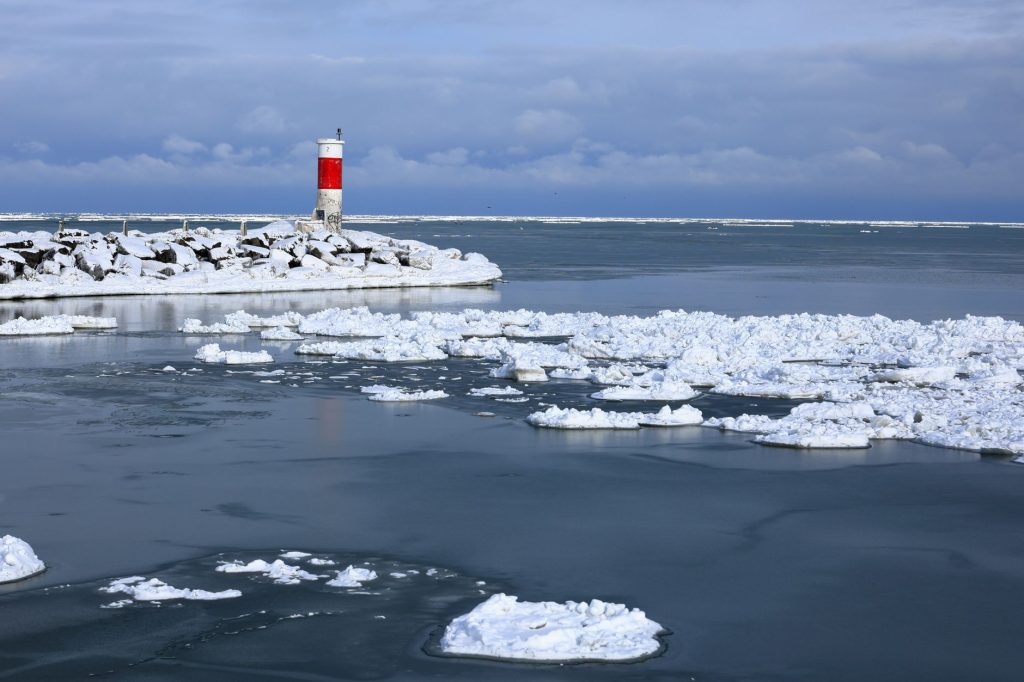
The Great Lakes project has been halted by the Trump administration, prompting a call from Governor Whitmer. This decision raises concerns about environmental impacts and regional cooperation.
Impact of the Great Lakes project halt
The recent decision to halt the Great Lakes project by the Trump administration has raised significant concerns among environmentalists and local communities. The impact of this suspension is far-reaching and could affect various aspects of life in the region.
Key consequences include:
- Environmental Degradation: The pause in the project may lead to increased pollution and habitat loss, threatening the delicate ecosystems of the Great Lakes.
- Economic Setbacks: Local businesses relying on tourism and fishing are likely to suffer due to the deterioration of natural resources.
- Public Health Issues: The halt could contribute to water quality problems, raising concerns for the health of residents in surrounding areas.
- Political Repercussions: This move has prompted a strong response from Governor Whitmer, indicating potential long-term political fallout for the administration.
As the situation unfolds, many are left questioning the rationale behind the decision to stop the Great Lakes project.
Whitmer's response to Trump's decision
In response to the recent decision by the Trump administration to halt the Great Lakes project, Michigan Governor Gretchen Whitmer expressed her strong disapproval. She emphasized the importance of this project not only for the environment but also for the local economy and public health.
Whitmer stated, “Halting the Great Lakes project is a wrong move that undermines years of progress and commitment to protecting our natural resources.” She highlighted several key points in her statement:
- Environmental Concerns: The halt poses a significant risk to the ecosystem of the Great Lakes, which is vital for wildlife and biodiversity.
- Economic Impact: The project was expected to create jobs and promote tourism in the region.
- Public Health: The decision could threaten water quality and access for millions of residents.
Whitmer urged the administration to reconsider its stance and prioritize the well-being of the communities relying on the Great Lakes project for their livelihoods and future sustainability.
Environmental concerns surrounding the project
The recent halt of the Great Lakes project has sparked significant environmental concerns among activists and local communities. Many fear that the decision could lead to long-term ecological damage in one of the world's largest freshwater systems.
Environmentalists argue that the project was essential for:
- Protecting biodiversity: The Great Lakes host numerous species, some of which are endangered and depend on healthy ecosystems.
- Preventing pollution: The initiative aimed to reduce runoff and improve water quality in the lakes, which are crucial for drinking water supplies.
- Promoting sustainable tourism: A thriving ecosystem supports local economies through tourism and recreation.
In addition, many believe that halting the Great Lakes project contradicts the administration's environmental pledges. As communities rally for action, the implications of this decision may resonate for years to come, raising questions about the future of the Great Lakes and the commitment to safeguarding their integrity.
Future of Great Lakes initiatives
The future of Great Lakes initiatives is now shrouded in uncertainty following the recent halt of the Great Lakes project. Environmentalists and local leaders are expressing concern over the long-term implications of this decision. Many believe that the Great Lakes are vital not only for the ecosystem but also for the economy of the surrounding regions.
Key stakeholders have outlined several priorities that must be addressed to ensure the health of these waters. These include:
- Water quality improvement: Initiatives aimed at reducing pollution and improving the overall quality of water are critical.
- Habitat restoration: Efforts to restore natural habitats for native species are essential for biodiversity.
- Community engagement: Involving local communities in the decision-making process can lead to more sustainable solutions.
As conversations continue, advocates are urging the administration to reconsider its stance and reinstate the halted Great Lakes project, emphasizing its significance for future generations.
Photo by John Baker on Pexels
References
apnews.com · Great Lakes Protection Fund
Related reading
Understanding the Professional Impact of Research on Modern Patient Care · Dr. Steven Muscoreil – Leadership, Learning, and Progress in Modern Surgery · The Complete Guide to Cooling Your Home in Southern California
environmental policygovernment actionGreat LakesinfrastructureMichiganpublic responseTrump administrationWhitmer